Industries We Serve

Specialized fleet driver safety training for Orlando-area businesses operating 5–50 vehicles in high-density traffic environments.

Fleet Risk Is Industry-Specific.

Not all fleet operations face the same exposure. An HVAC company navigating residential neighborhoods faces different risks than a medical transport provider operating under time pressure. A construction fleet on Interstate 4 encounters different hazards than a hotel shuttle in downtown Orlando.
According to the National Safety Council, motor vehicle incidents remain one of the leading causes of workplace injuries and fatalities.
Industry context determines exposure. We tailor training accordingly.

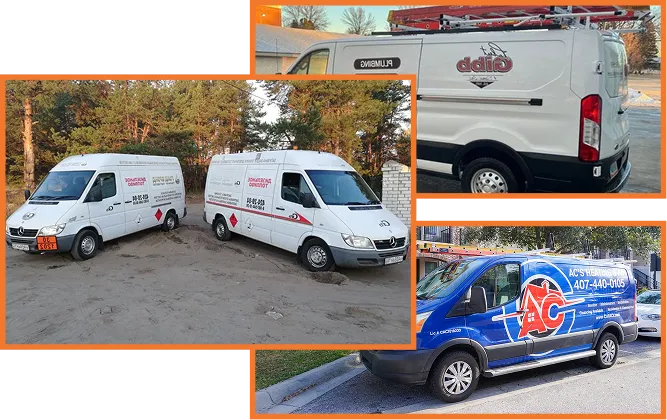
HVAC &  Mechanical Services

Typical Risk Factors:
  • Residential stop-and-go driving
  • Tight neighborhood turns
  • Rear-end collisions
  • Distracted driving between service calls
  • Equipment-loaded vehicles affecting braking distance
According to the Florida Highway Safety and Motor Vehicles, rear-end collisions are among the most common crash types in Florida.
Typical Risk Factors:
  • Following distance discipline
  • Neighborhood hazard anticipation
  • Load-weight braking control
  • Route-risk awareness

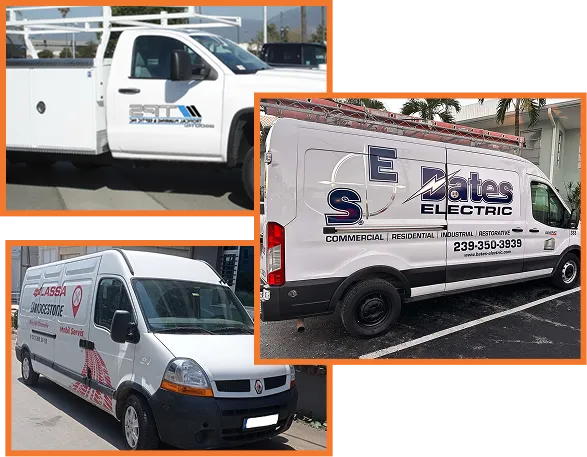
Plumbing &   Electrical Contractors

These fleets often operate under urgency.
Common risks include:
  • Rapid lane changes
  • Intersection pressure
  • Construction zone congestion
  • Urban job-site maneuvering
According to the National Highway Traffic Safety Administration, intersection-related crashes account for a significant portion of urban collisions.
We emphasize:
    • Intersection scanning discipline
    • Controlled lane positioning
    • Construction zone awareness
    • Defensive merge strategies

Construction &  Property Maintenance Fleets

Frequent exposure to:
  • Interstate merging (I-4 / 408)
  • Equipment trailers
  • Downtown Orlando congestion
  • Peak-hour traffic
Florida’s rapid growth increases traffic density around active work zones.
We focus on:
    • Safe merging on high-speed corridors
    • Trailer control & braking distance
    • Lane discipline under congestion
    • Downtown maneuvering awareness

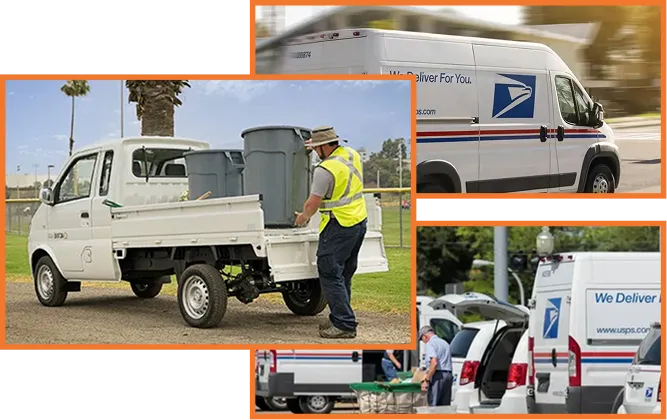
Delivery & Service Fleets (5–50 Vehicles)

High-frequency driving increases exposure probability.
Risk factors include:
  • Rapid lane changes
  • Intersection pressure
  • Construction zone congestion
  • Urban job-site maneuvering
According to the National Highway Traffic Safety Administration, intersection-related crashes account for a significant portion of urban collisions.
We emphasize:
    • Intersection scanning discipline
    • Controlled lane positioning
    • Construction zone awareness
    • Defensive merge strategies

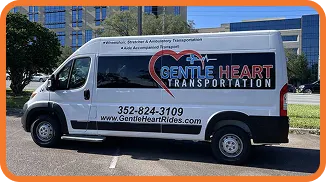
Home Healthcare & Medical Transport

Risk exposure includes:

    • Passenger liability
    • Smooth braking requirements
    • Urban congestion
    • Emergency response pressure

We emphasize:

Hotel, Shuttle & Tourism Transport

Orlando’s tourism environment introduces:
    • International drivers on surrounding roads
    • Airport congestion
    • Convention center traffic spikes
    • Unpredictable pedestrian behavior
Training includes:
    • Defensive pedestrian scanning
    • Airport loading zone safety
    • Tourist-area congestion management
    • Intersection anticipation

We Specialize in Light Fleets (5–50 Vehicles)

Large corporations often have internal safety departments. Smaller fleets often do not.
That gap creates exposure.
We provide structured, documented fleet safety programs tailored specifically for small-to-mid-size Orlando businesses.

Terms & Conditions

Industry Doesn’t Change the Risk. Exposure Does.

Average employer crash cost exceeds $70,000 per injury (industry data cited by federal safety agencies).
Insurance does not eliminate:

Premium increases

Legal review

Down time

Brand damage

Prevention is measurable. Neglect is expensive.

If Your Industry Operates Vehicles Daily, You Are Exposed Daily.

Protect your drivers.
Protect your business.
Protect your reputation.
Scroll to Top